History and Origins
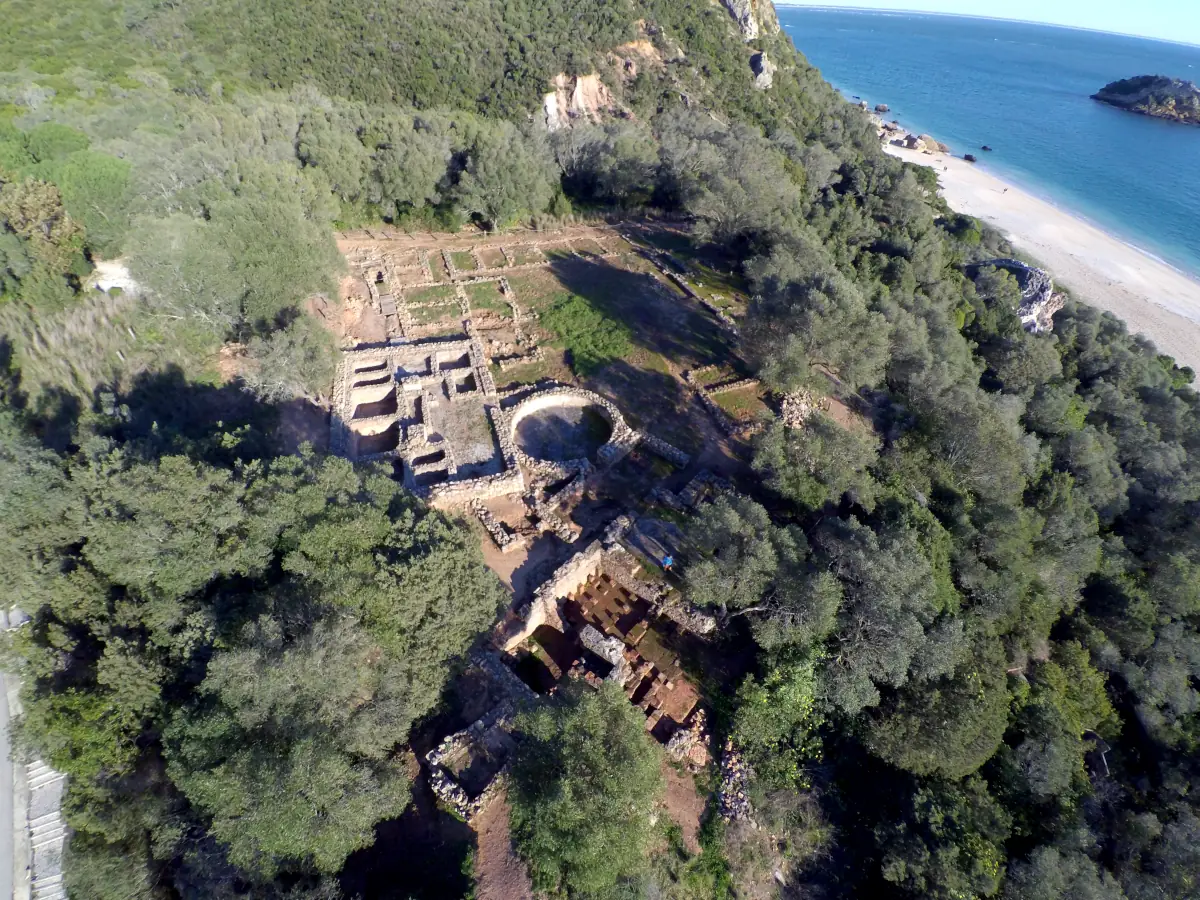
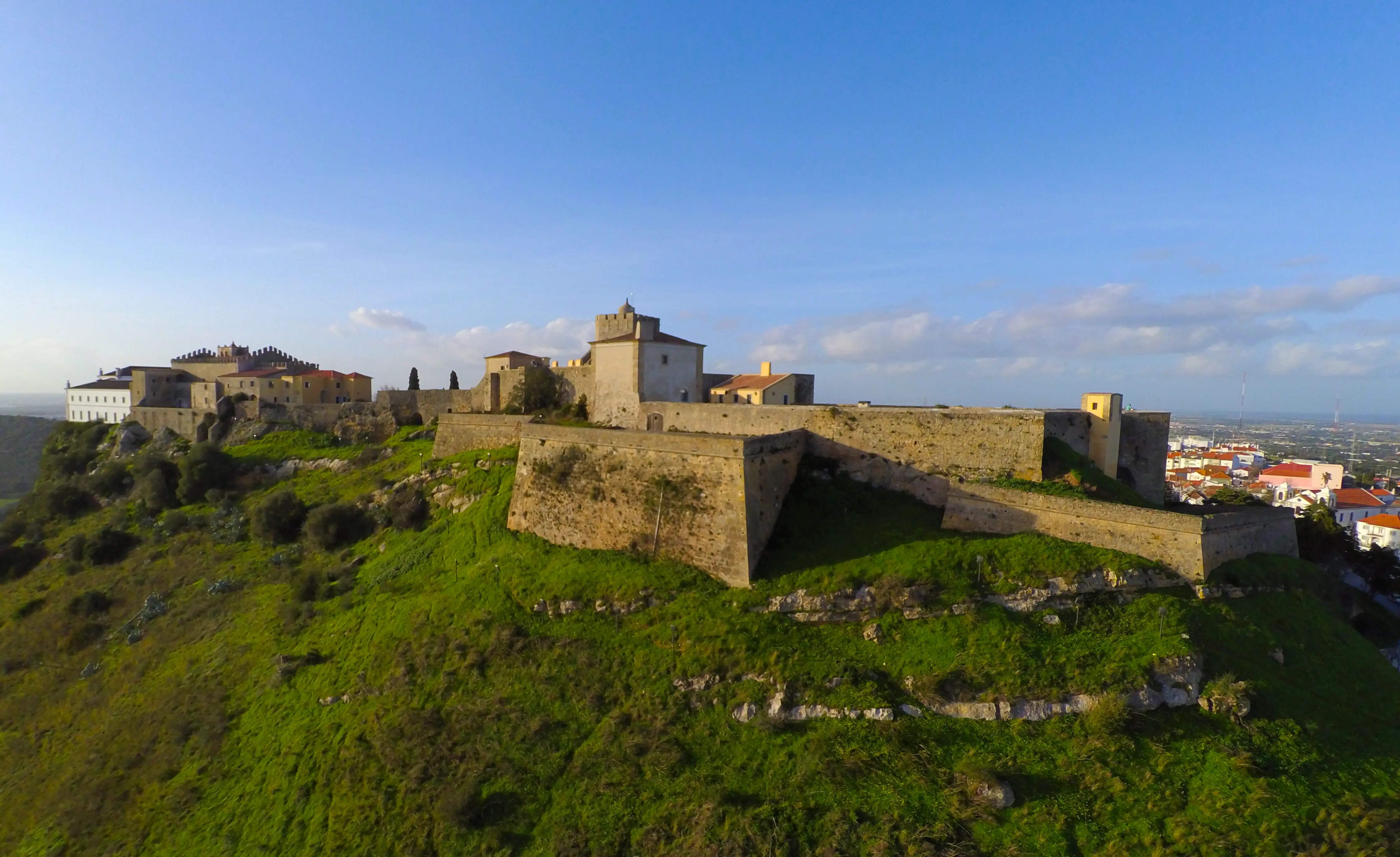
Archaeological excavations have confirmed that the fortification has Islamic origins and was likely built between the 8th and 9th centuries
It was conquered in 1147 by Portugal (the same year as Lisbon) and faced several Moorish attacks before Christian control finally consolidated.
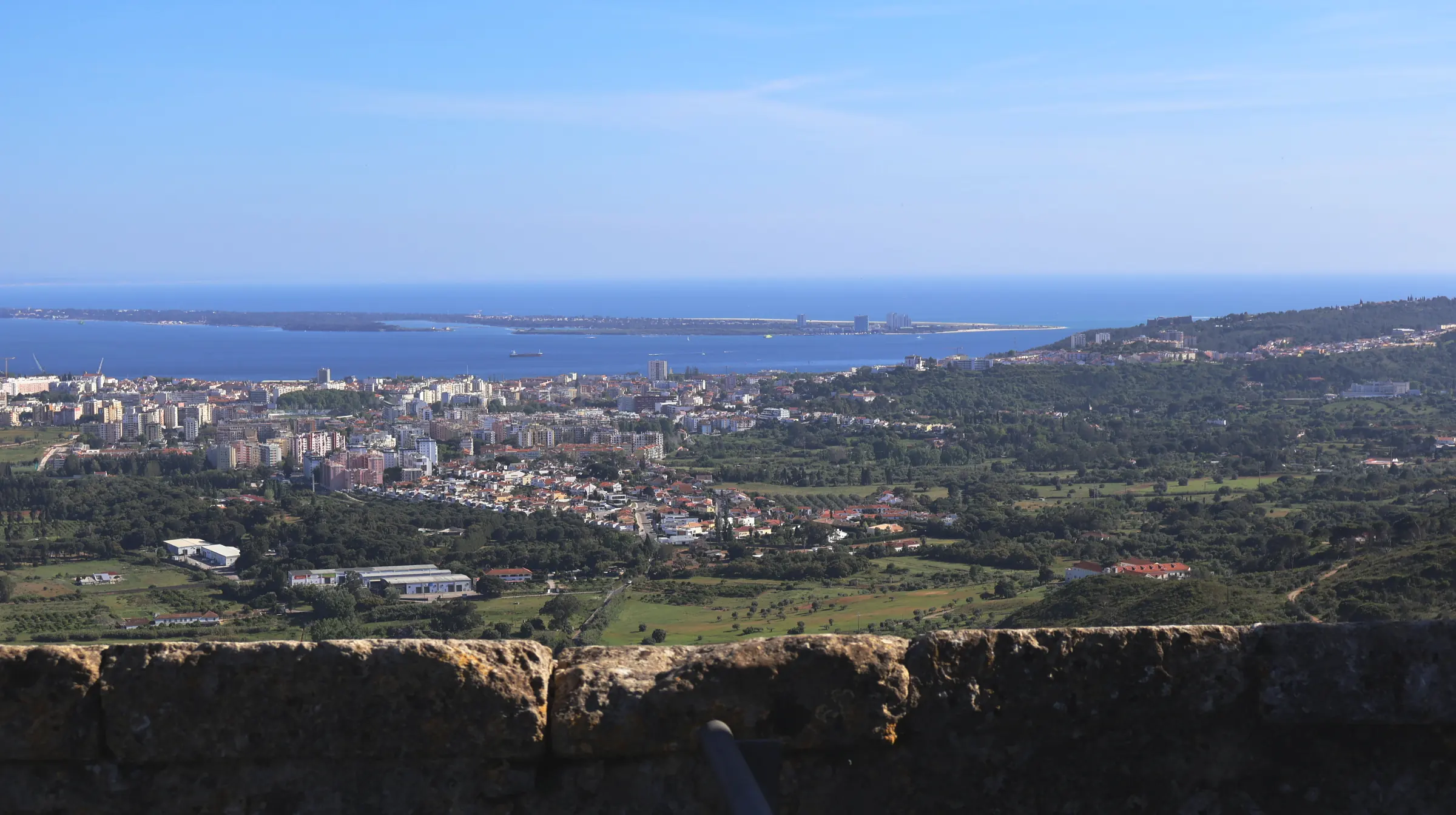
Panoramic view from the Castle, to the south is the city of Setubal and Troia peninsula
To the north side, you can see Palmela and on the horizon the city of Lisbon.
On a clear day, this is a good place to take pictures as from here you can see all the surounding region
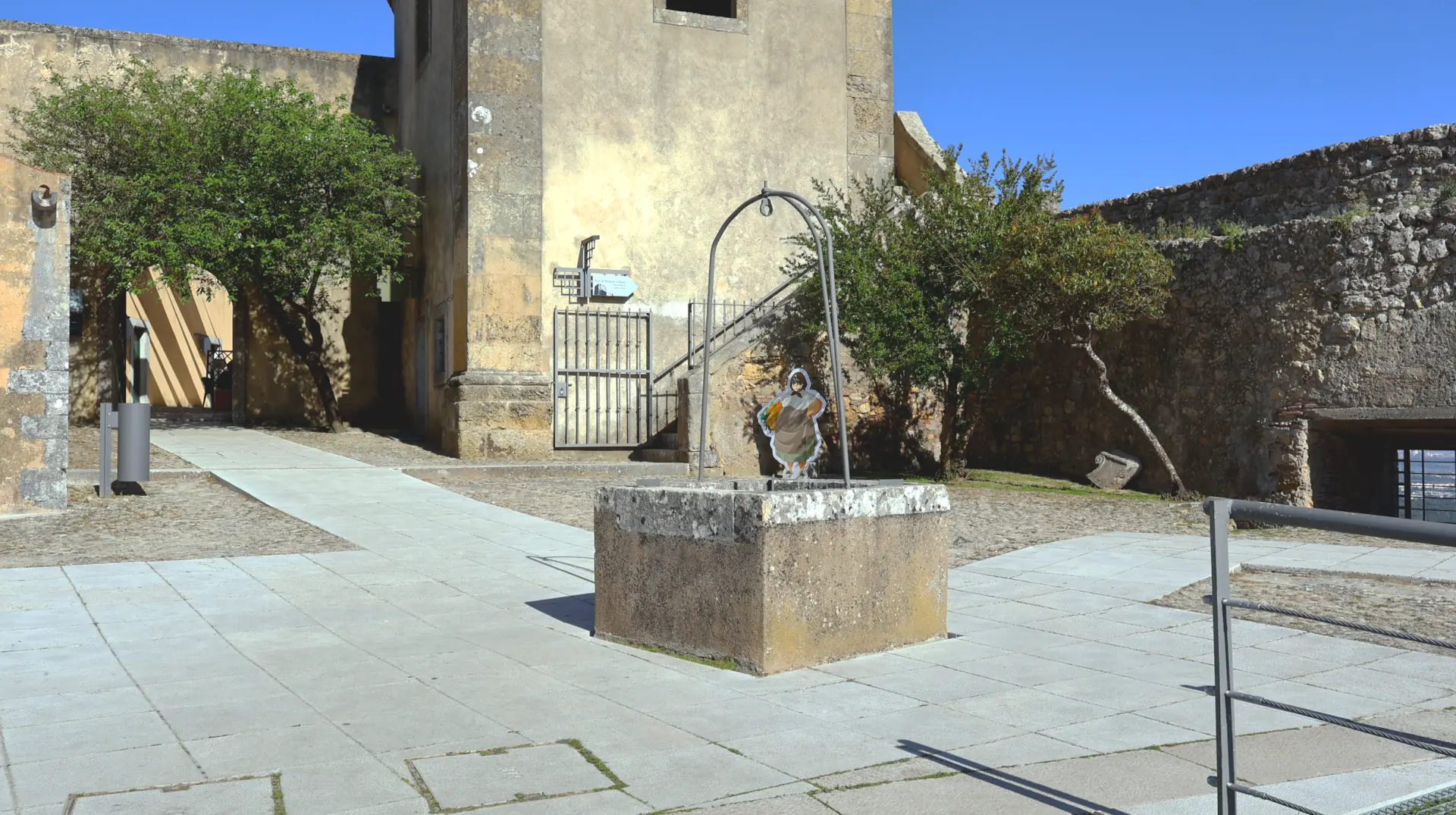
You are looking to a strategic asset... yes... a well! why?
In case of a siege, fresh water is the most important supply you need... even more than food.
So having a working weel inside the Castle itself, made it able to hold out for much longer.
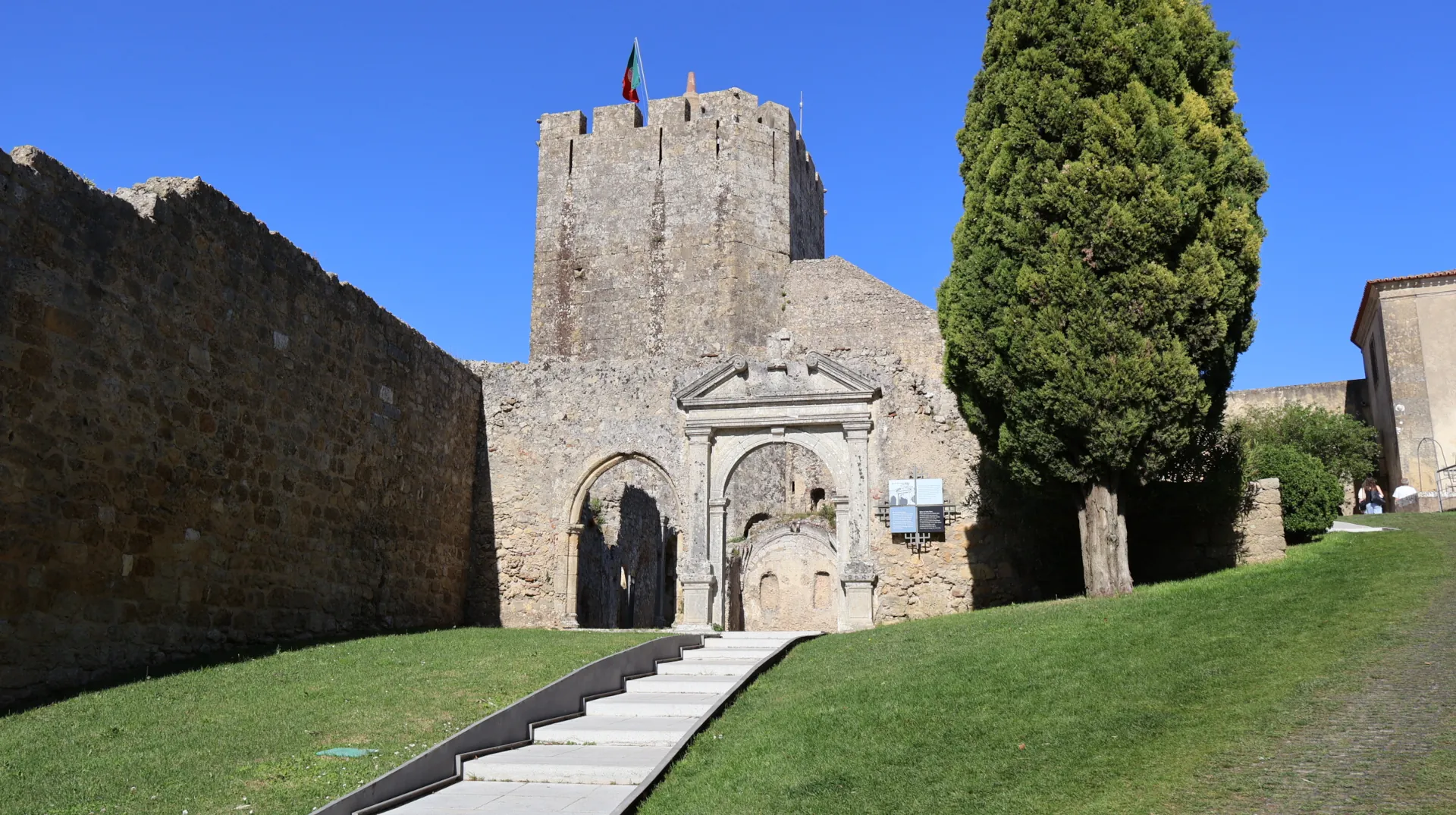
Santa Maria Church (Igreja de Santa Maria)
Its history dates back to the 12th century, and it is believed to have been built over the remains of a former mosque.
Was almost entirely destroyed by the Great Earthquake of 1755, leaving it in ruins. This earthquake had major implications nation wide and here we have another evidence.
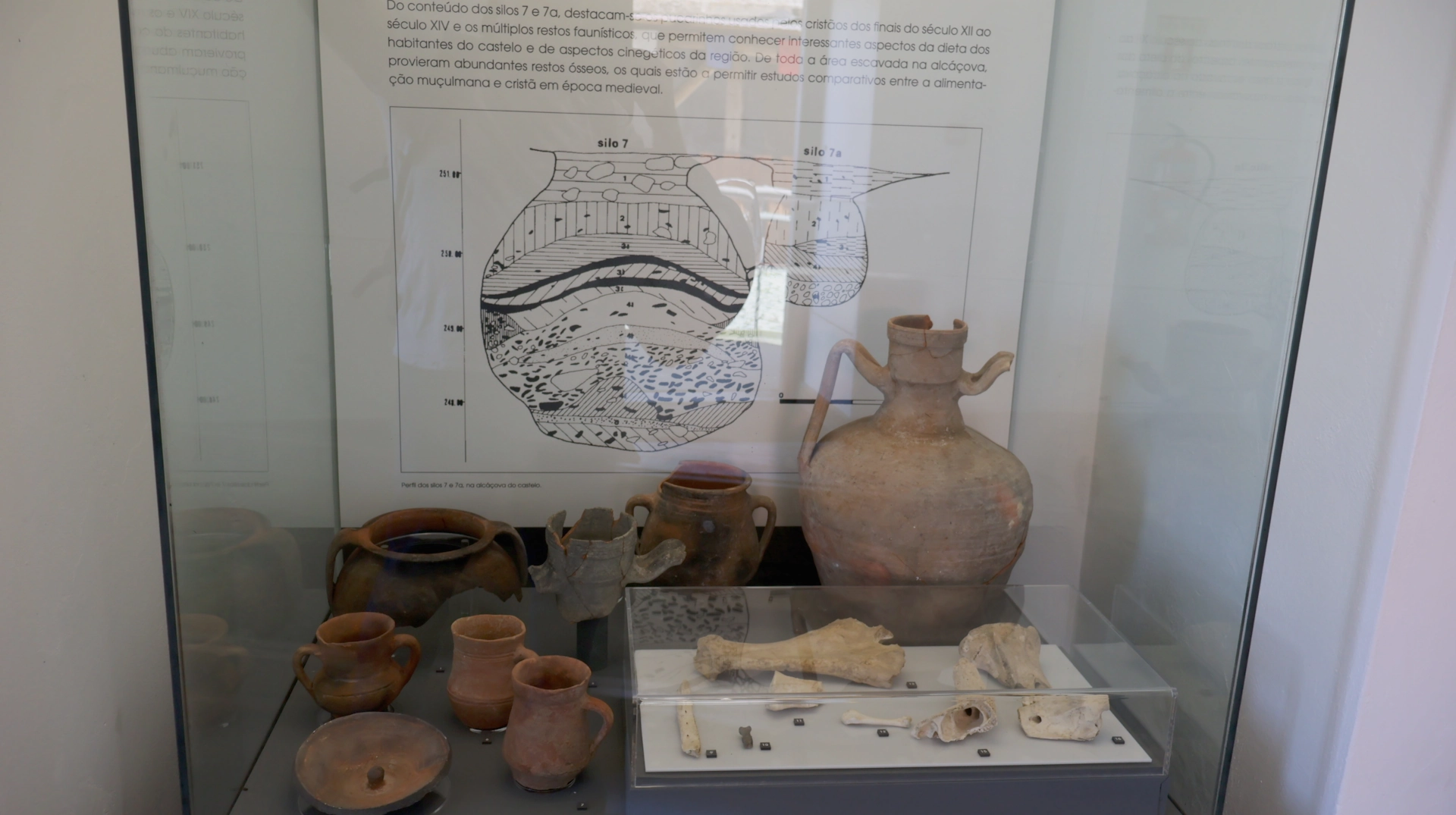
There is small museums inside the castle, also free to visit.
In the case of the photo above, these artifacts are from the medieval times, from the 12th to the 14th-century and were found in the Castle or in the nearby area.
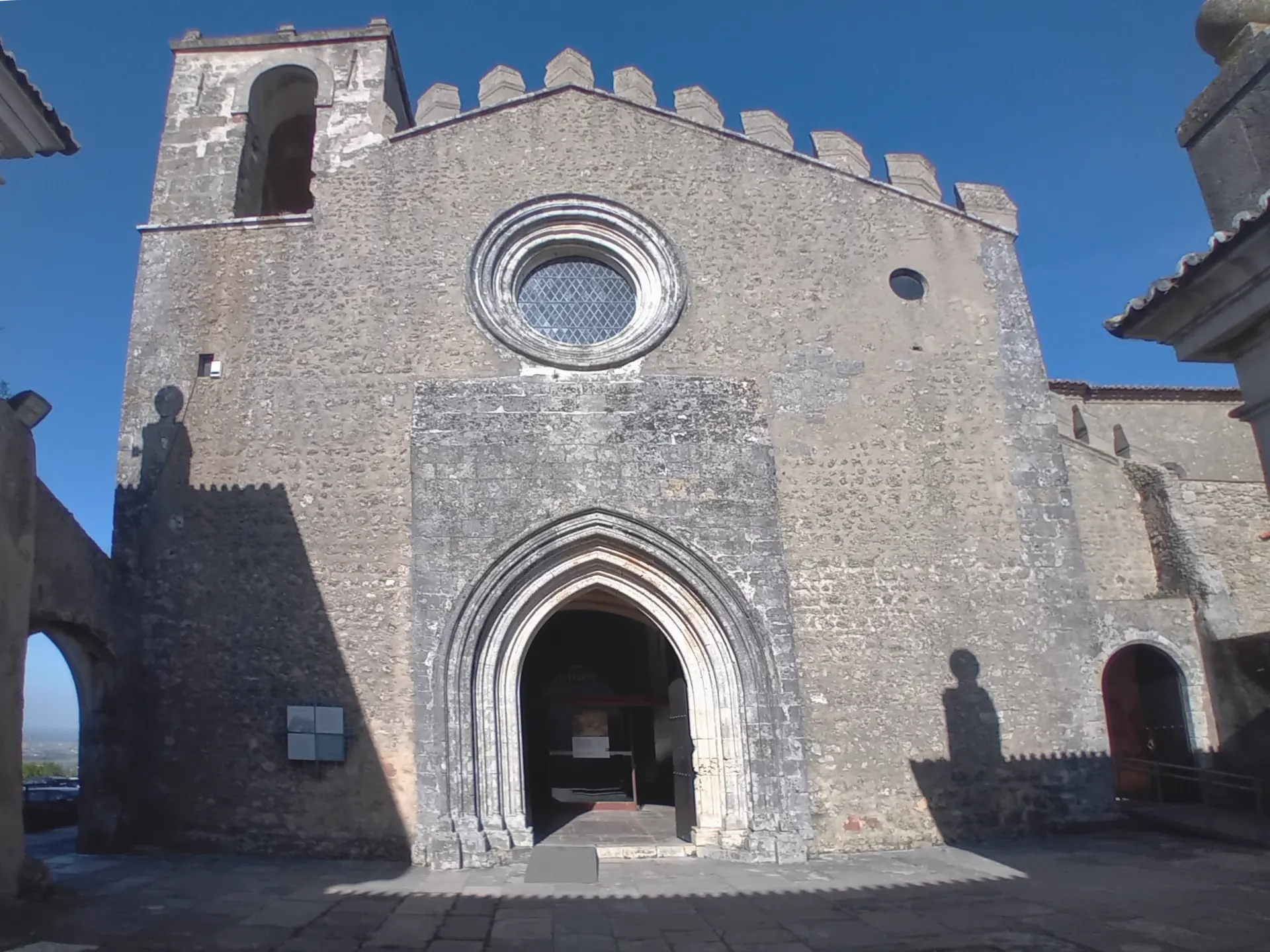
Santiago Church (Igreja de Santiago)
It is part of the Palmela castle complex wich served as the headquarters for the Order of Santiago for four centuries
The construction of this Church initiated in 1443, It was built for the religious worship of the knights of the Military Order of Santiago of the Sword
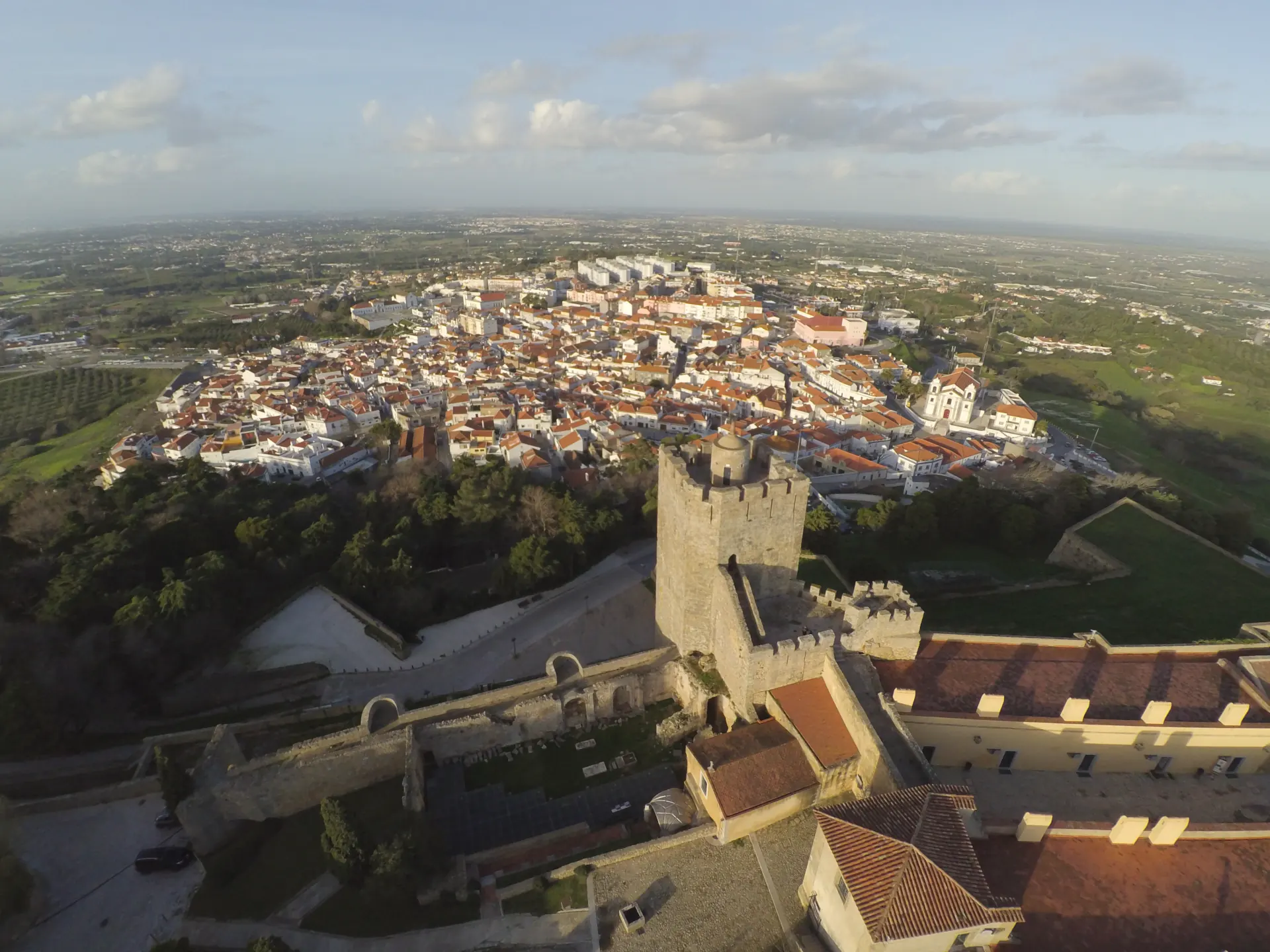
View to the north of the Castle.
You can see the Historic Town of Palmela, the old part is caracterized for a medieval layout
These old streets are narrow and with cobbled lanes with steep inclines, pretty much as in Alfama in Lisbon as these have the same origin.
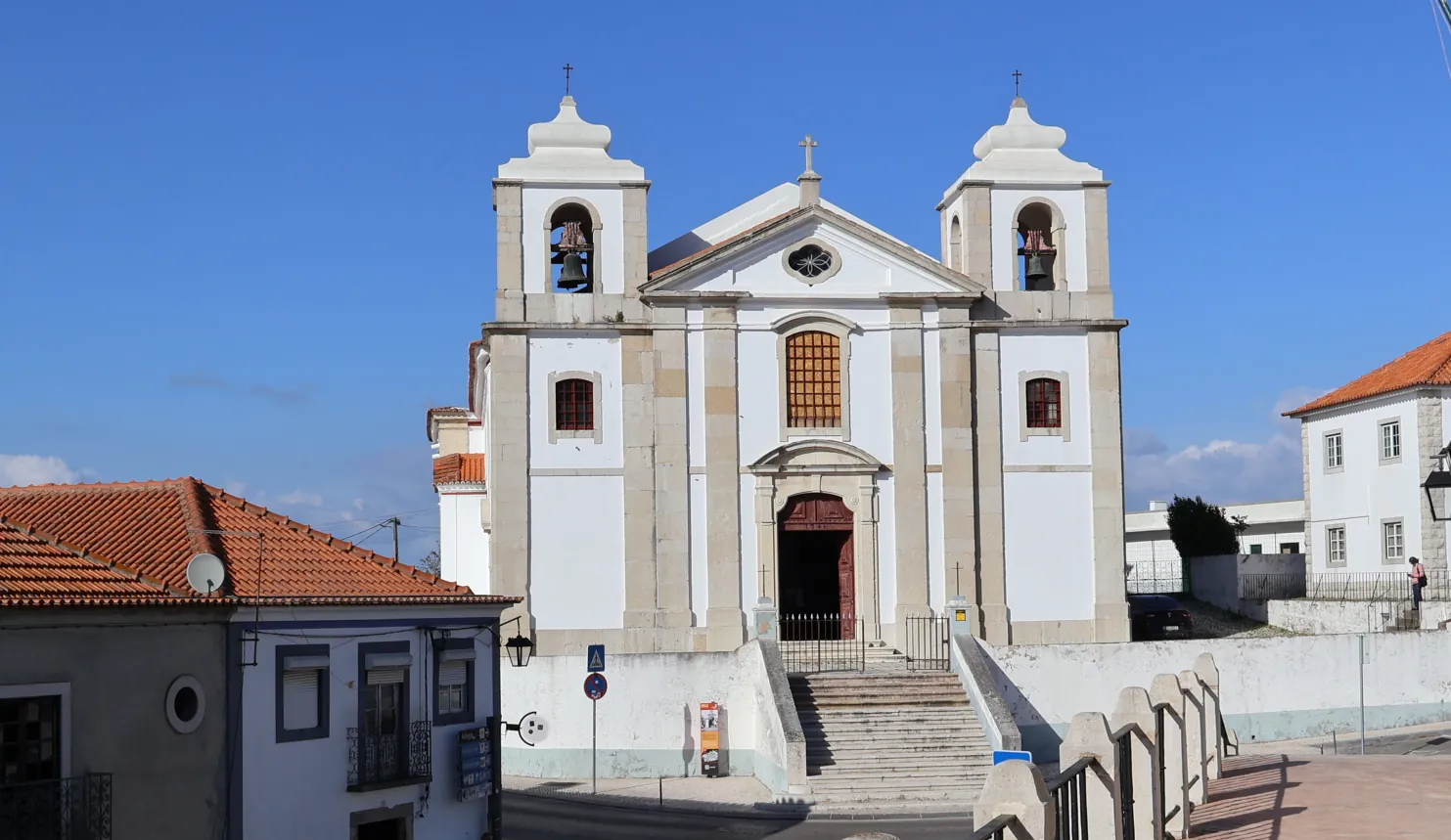
São Pedro church(Igreja de São Pedro)
It is a three-aisle church originally built in the 16th century and its a special beatifull church inside, the interior is decorated with 18th century tile panels (azulejos), depicting the life of saint Peter
This church plays a central role in the local community, especially during the Harvest Festival of grape vines.
Best Time to Visit is in early September has is when the (Harvest Festival 🍇 / Festa das Vindimas 🍇) happens.
Wine making is a very important culturally and economically for this region of Portugal, if you come here, you will likelly see several vineyards.
There is a very special drink called "moscatel roxo" it is very sweet and really good
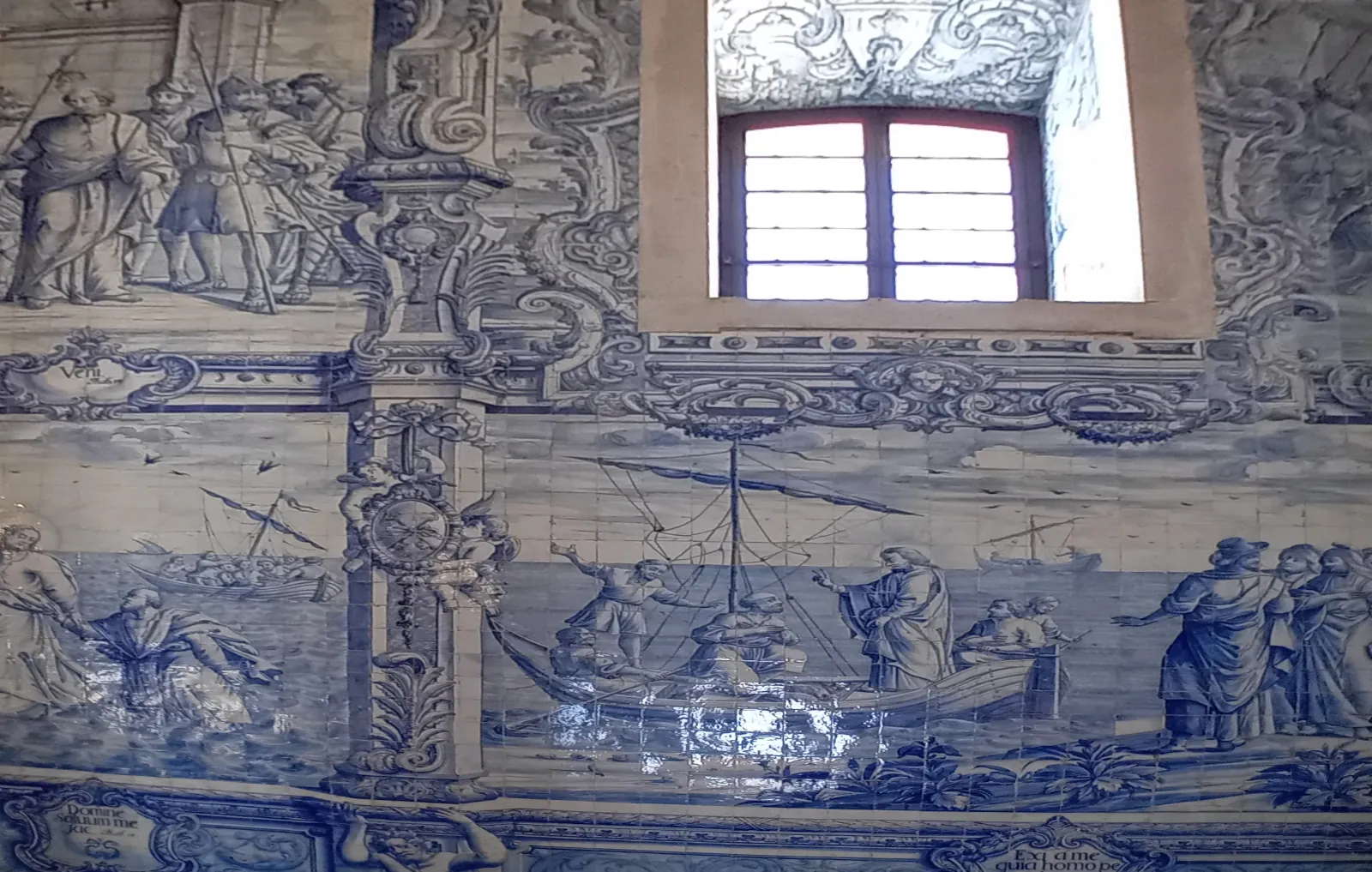
Sample of tiles in São Pedro Church
This tiles tell the story of Saint Peter, in the center, Peter with Jesus Crist in a fishing boat.
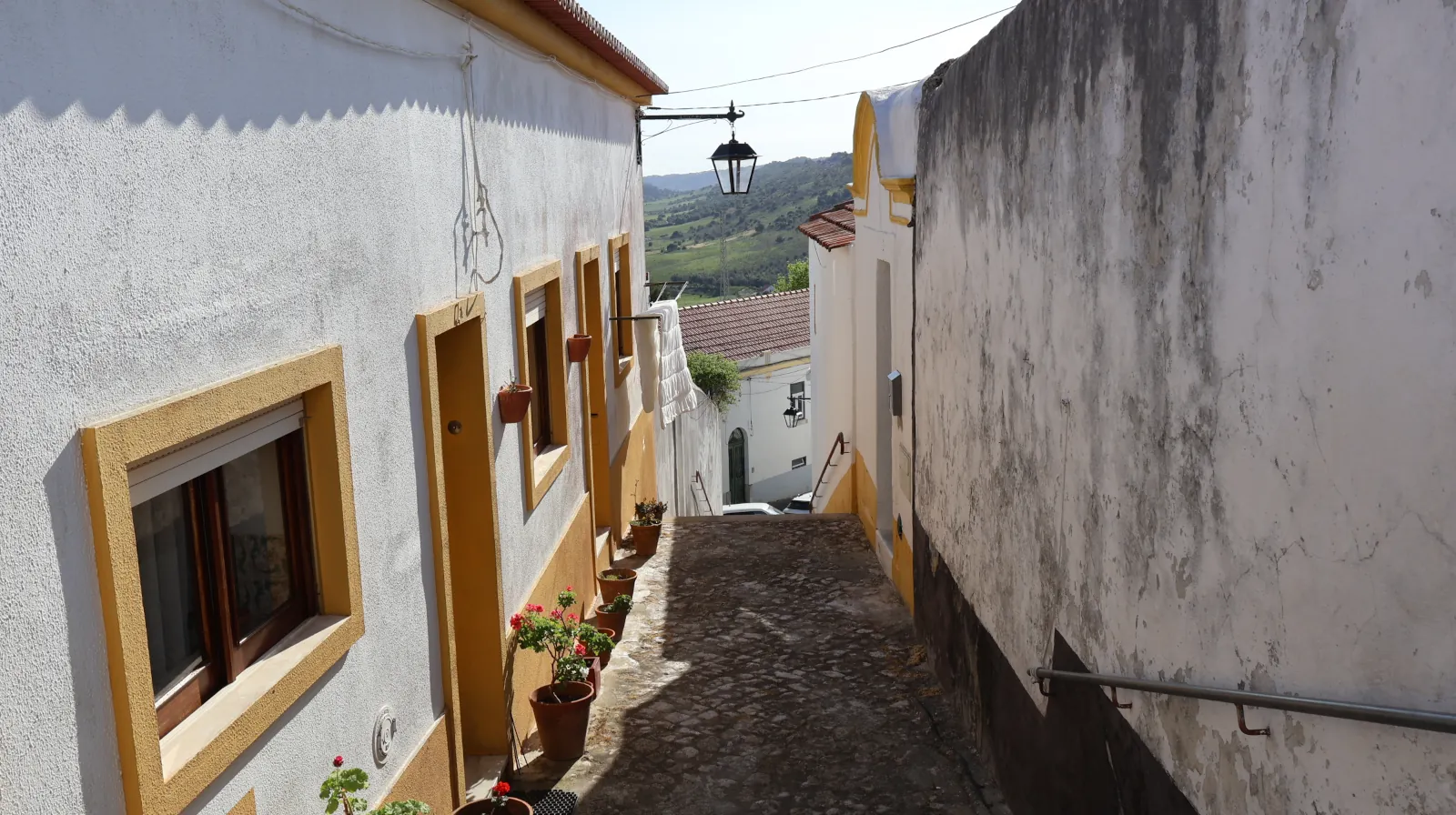
Medieval layout streets:
Walking through these small, labyrinthine streets, you can experience the same medieval layout found in Alfama in Lisbon.
These houses you see now, were probably just renovated over and over again for a thousand years. These historic alleys are a journey back in time.
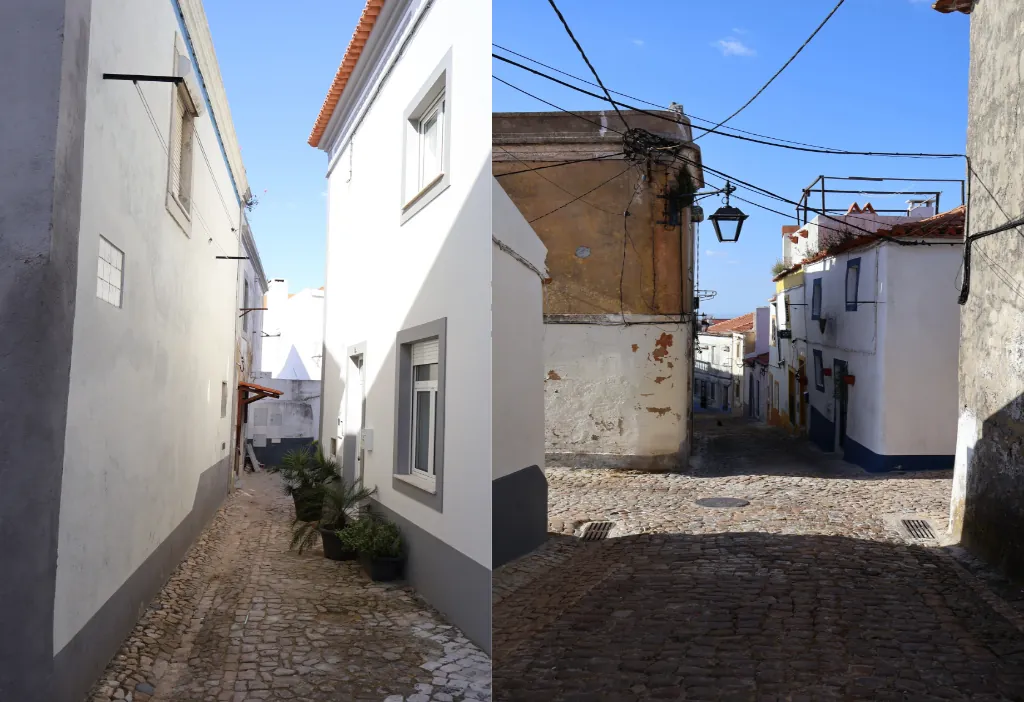
Medieval streets - why build like this?
As the population expanded, houses were built incrementally along existing lanes, leading to the dense, clustered urban fabric.
Also building so close, had advantages:
Defense and Security: Winding alleys and labyrinthine layout favored the defender by allowing to bottle up enemies and places to ambush the enemies
Climate Control: Narrow streets provide natural shade, keeping the pathways cooler during the hot Mediterranean summers
And these streets were enought for pedestrians, donkeys, and small carts, which required far less space than modern vehicles.