The Industrial Legacy of Arrábida
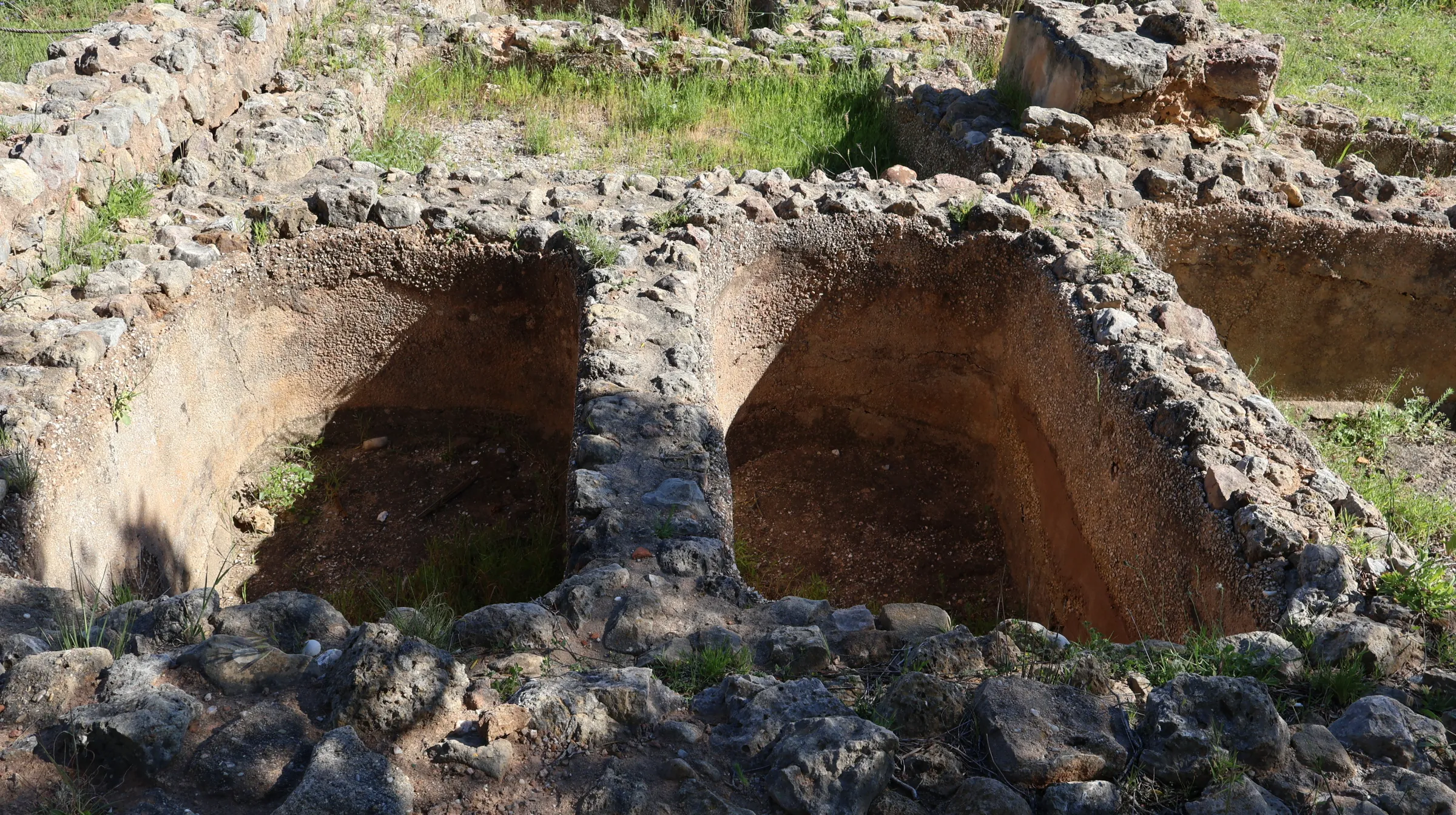
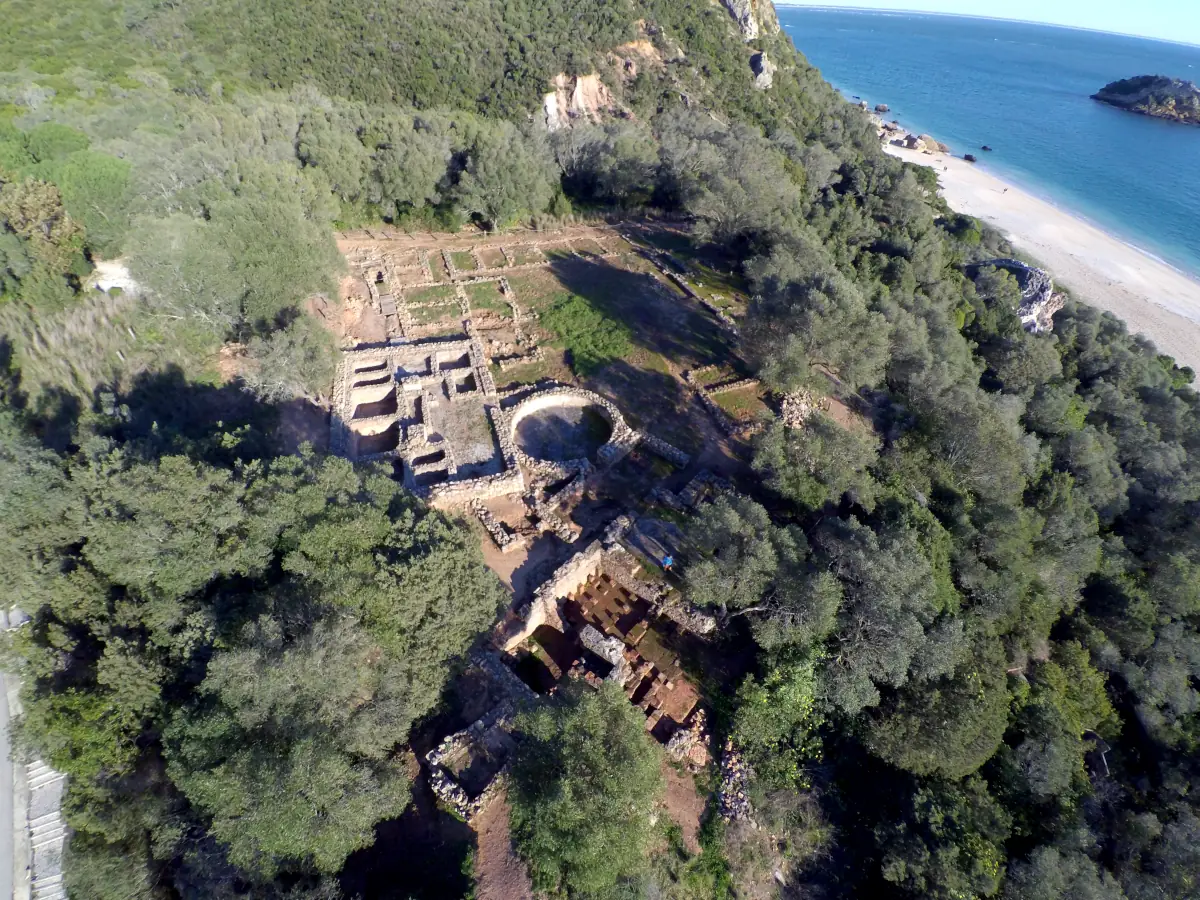
These are ruins of this ancient Roman fish-salting factory, only about 1/4 is visible. It is a remarkable site that offers a window into the past and had remarkable good logistics.
⚠️ Travel Tip: There is a popular beach nearby. If the weather is good for a beach day, this entire area can get very crowded.
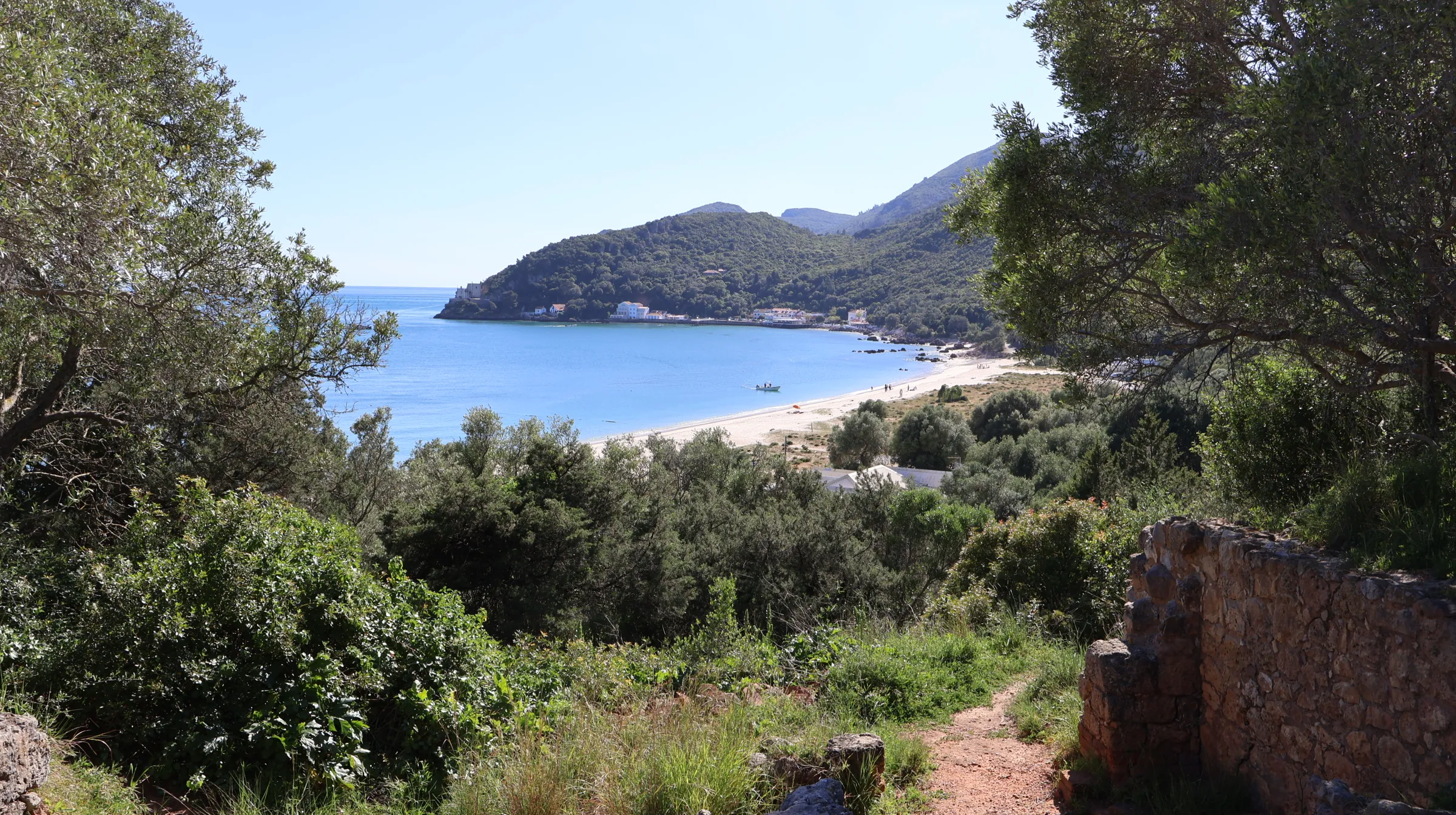
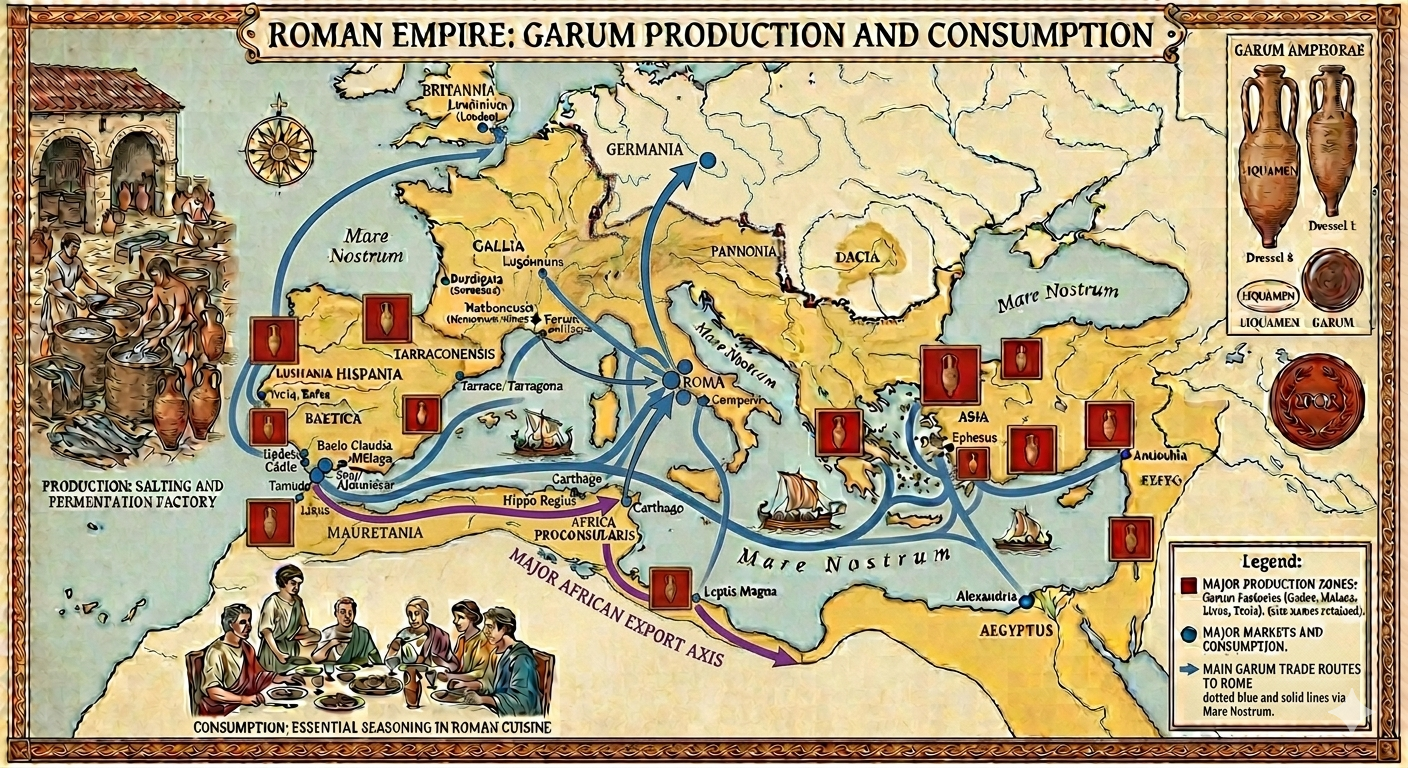
Logistics: The Key Pillars of Sado Garum
- Sheltered Natural Port (photo above): Protected fishing ships and transport ships from the Atlantic ocean.
- Fish: Abundant fish populations in the Rio Sado (sardines, mackerel, and tuna).
- Salt: Extracted along the Sado River banks (around modern Alcácer do Sal - ancient Salacia).
- Amphorae Production: Kilns for manufacturing specialized amphorae were strategically located near clay sources along the Sado Valley (e.g., Pinheiro, Abul).
Besides these resourses most important of all was the access to the Roman Empire markets, this gigantic market made not only this place prosper but also other nearby places like the Tróia Complex, that was the primary local garum processing hub