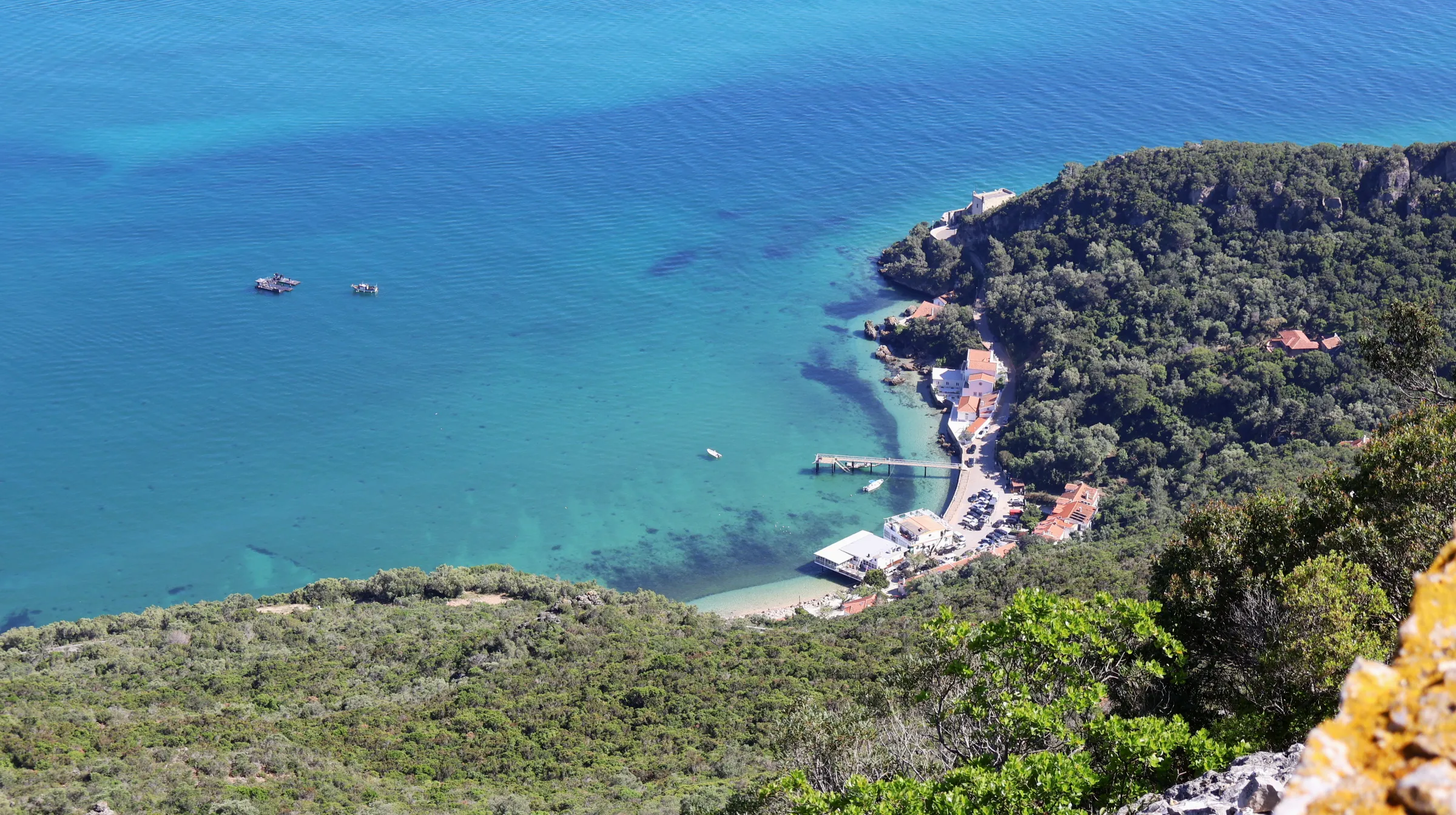
Viewpoint of N-379 of Portinho da Arrábida
The photos bellow all were taken, allong stops on this road.
So this is some of what you can see:
Portinho da Arrabida in photo above, this is a stunning cove famous for calm, turquoise waters and crystal-clear visibility, making it a paradise for diving and snorkeling. It features an historic Fort of Santa Maria, which now houses an oceanographic museum.
It features the historic Fort of Santa Maria, which now houses an oceanographic museum.
⚠️ Parking Warning: Extremely limited during summer and good weather weekends
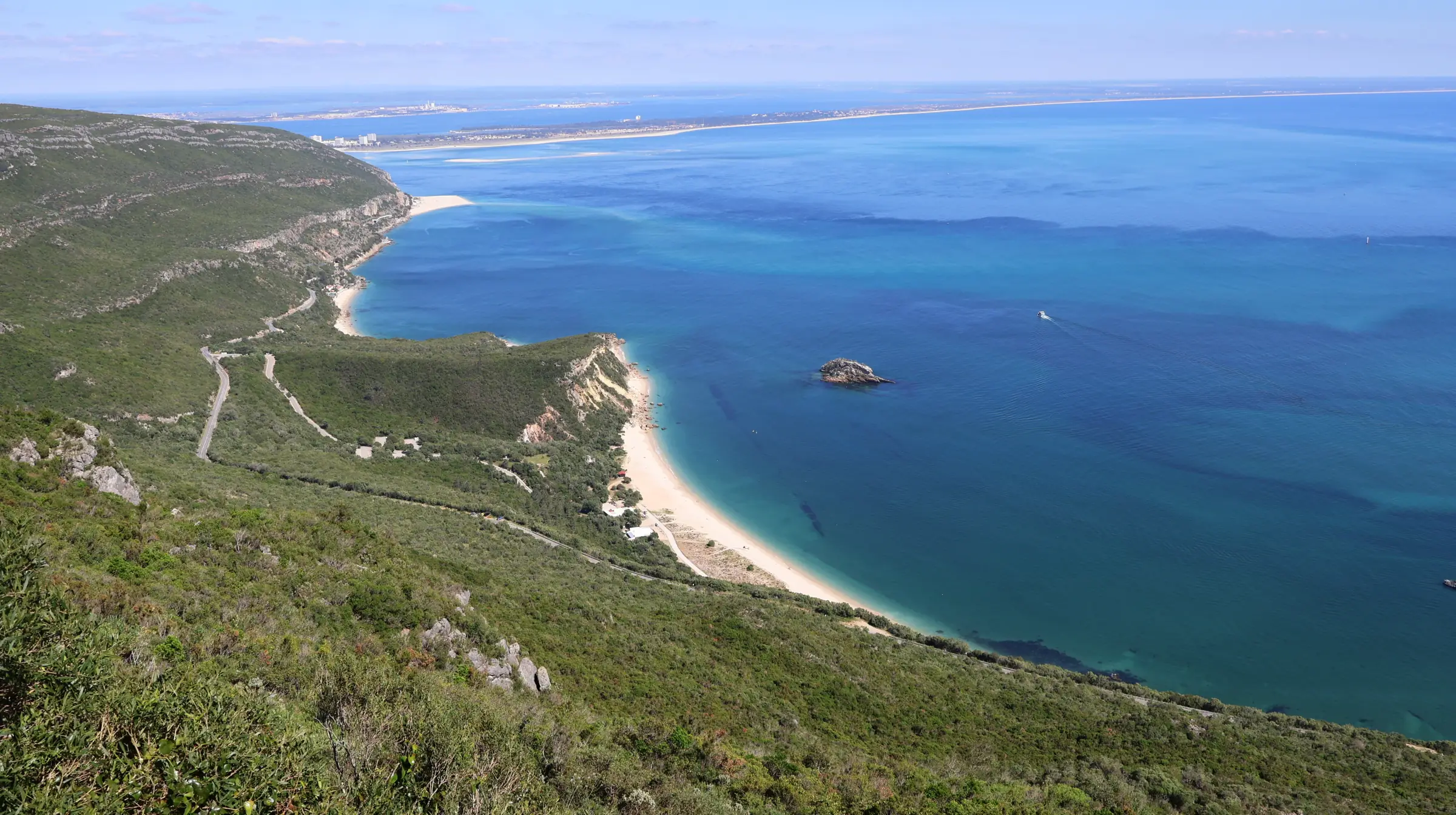
The Arrábida Natural Park Tis one of the most unique botanical sanctuaries in Europe. Its vegetation is a rare survivor of the pre-Ice Age Mediterranean flora.
Ancient Species: You will find trees and shrubs that have been there for millennia, such as the Strawberry Tree (Arbutus unedo), the Mastic Tree (Pistacia lentiscus)
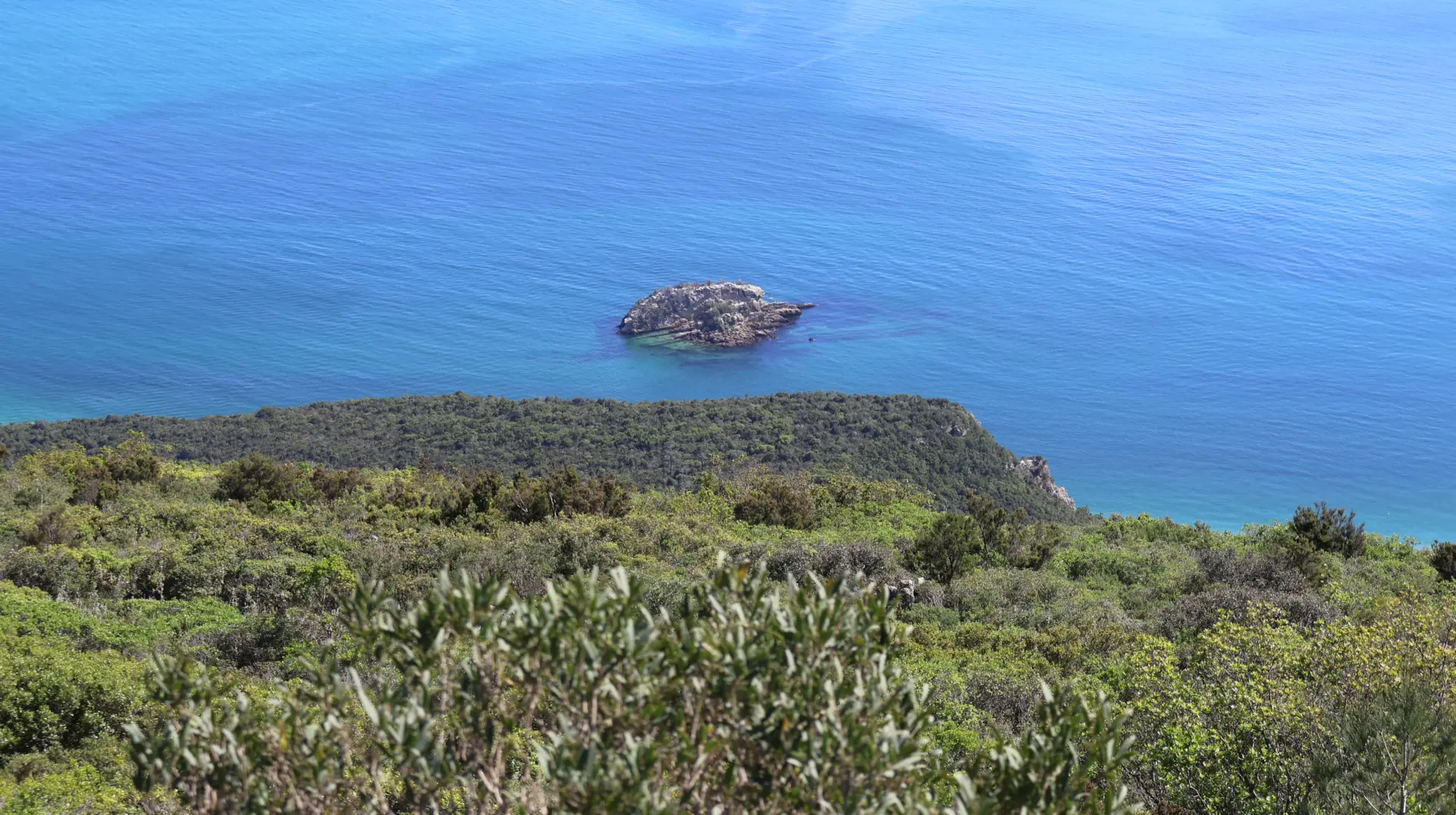
Small Island (Pedra da Anicha) its underwater walls are teeming with life. It’s a sanctuary for underwater flora, anemones, and diverse fish species.
Divers can explore the small caves and crevices at the base of the rock, where octopus, groupers, and sea stars hide.
It serves as a crucial resting and nesting spot for marine birds, away from the busy beaches.
Due to this landing on the island is prohibited by law to protect the ecosystem.
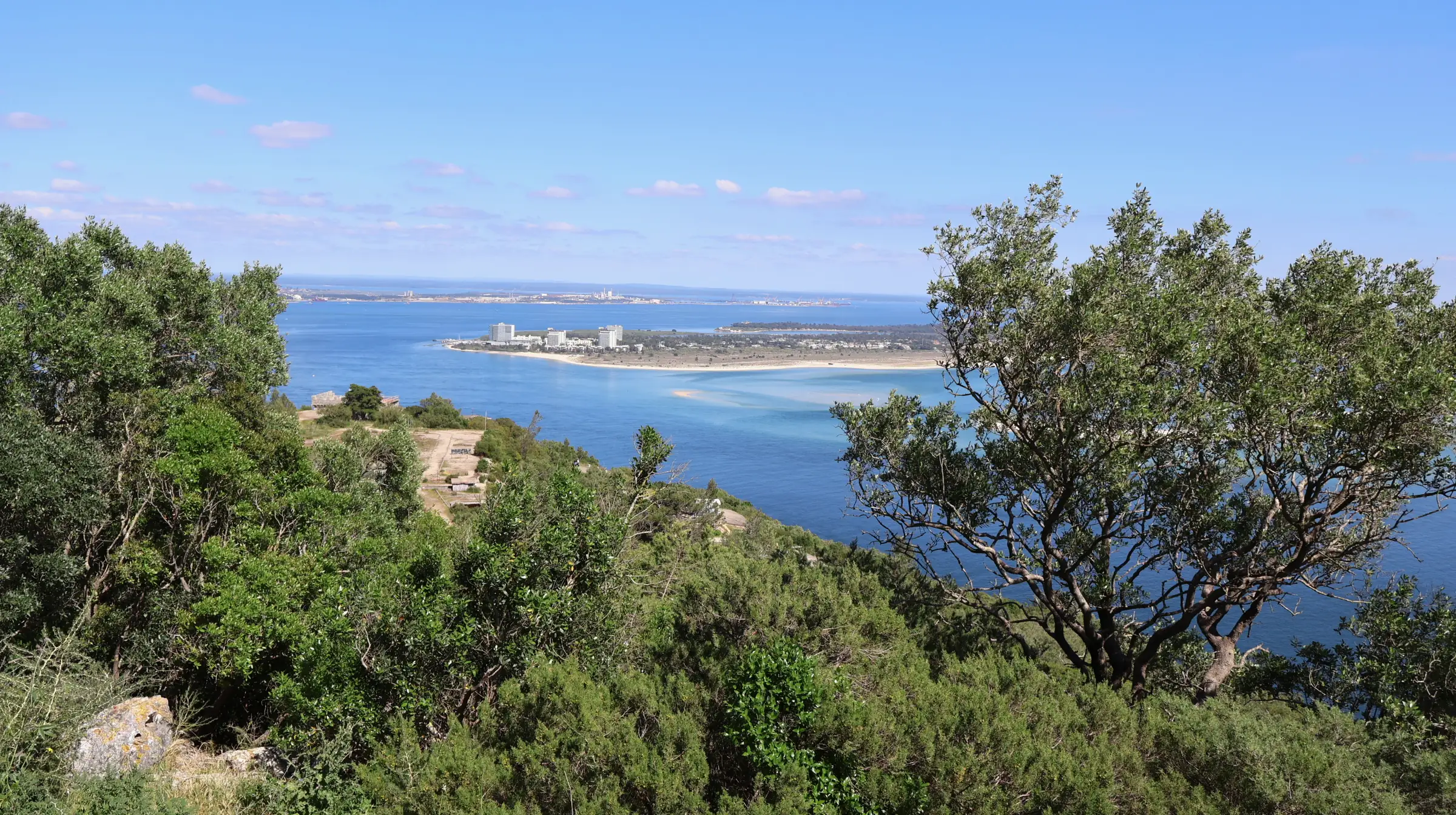
Tróia Peninsula across the horizon, it is a flat landscape of white sands that goes for more than 15km
Roman The Ruins of Tróia once one of largest fish-salting industrial complex in the entire Roman Empire, this massive 'factory' specialized in the production of Garum—a highly prized fermented fish sauce that was considered a luxury across the Mediterranean.
Archeologists have identified more than 25 fish-salting workshops stretching across 2 kilometers of coastline this was a massive export hub. In fact, amphorae produced right here in the Sado region have been unearthed as far as Hadrian’s Wall and throughout the city of Rome itself.
Location
You might also like
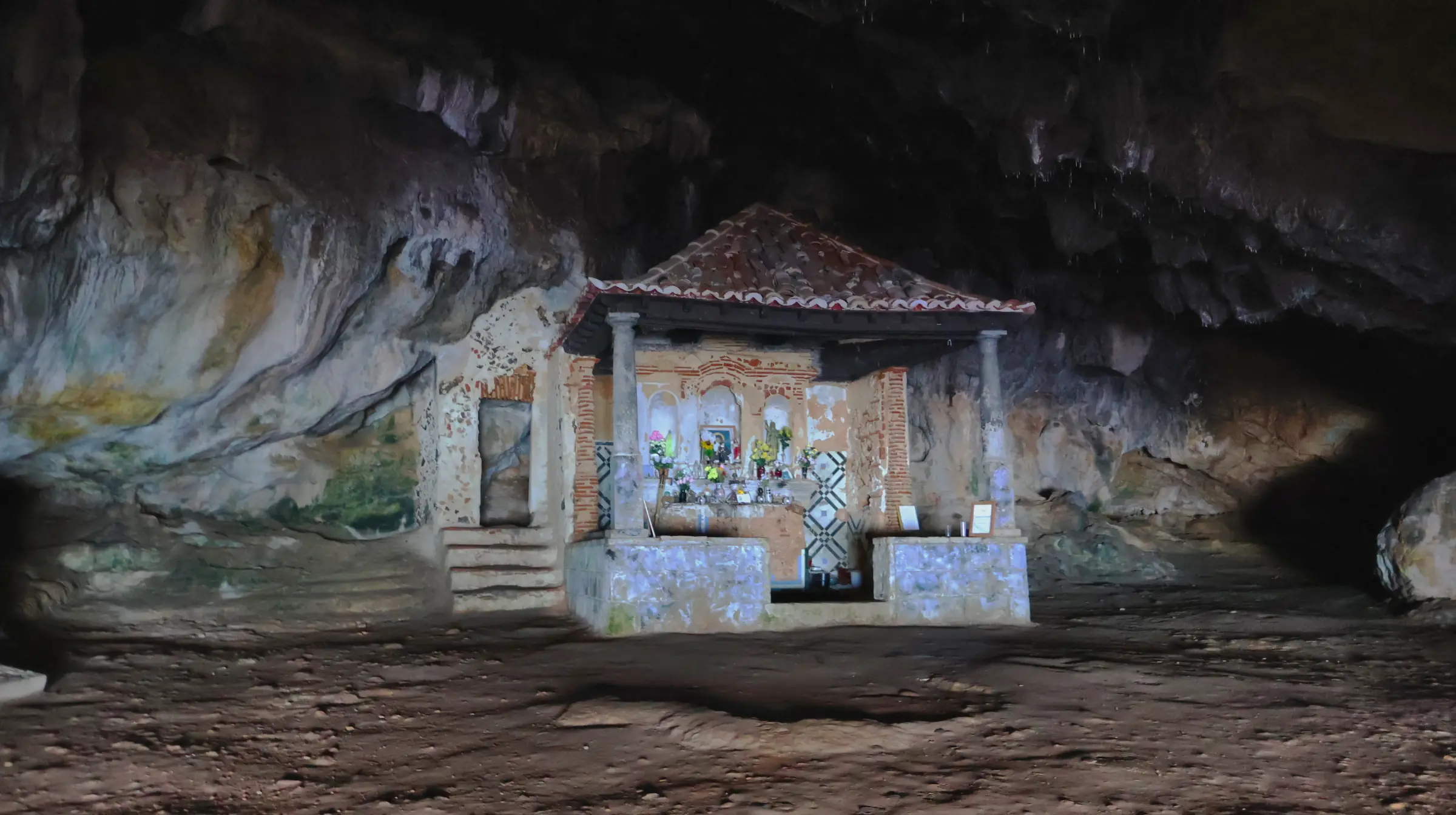
Cave of Santa Margarida
Hidden at the foot of the Arrábida Mountains, this natural cave houses a 17th-century chapel that has withstood both time and tides.
Explore